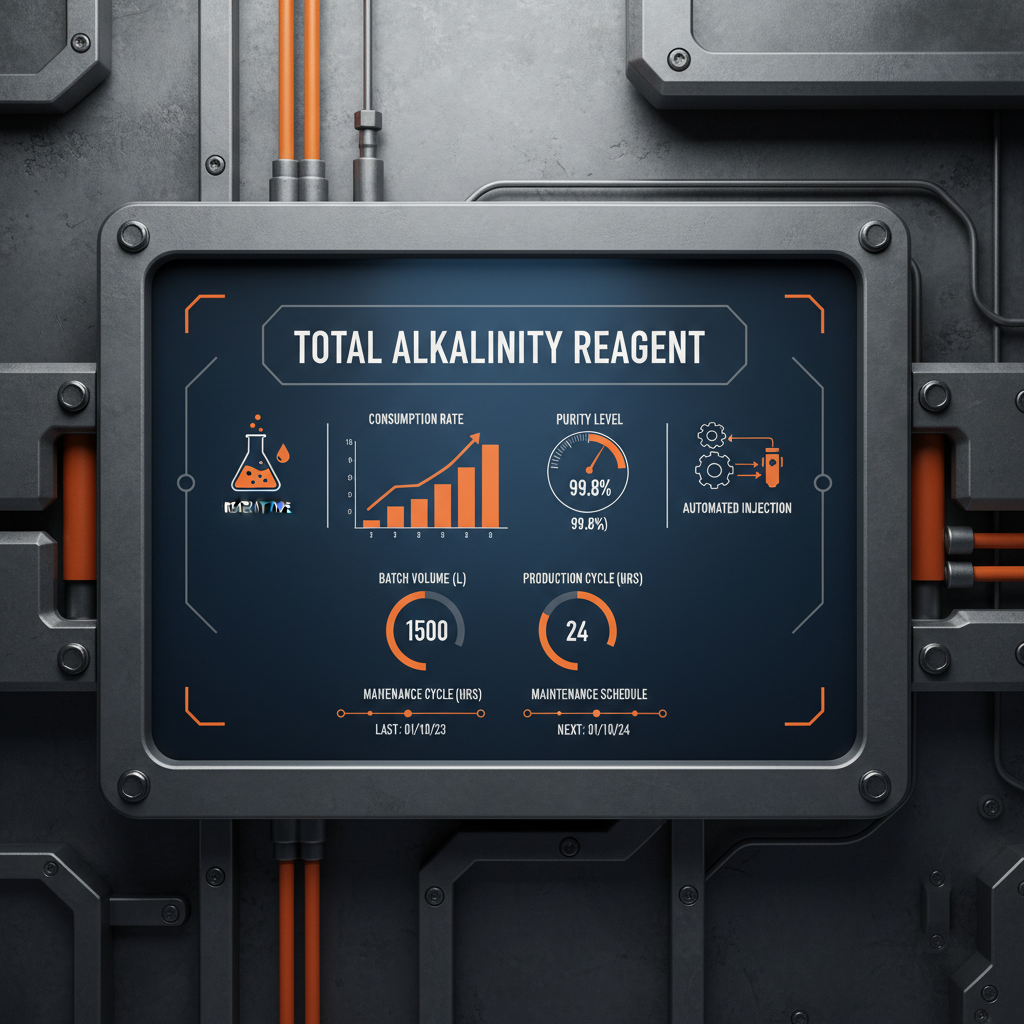
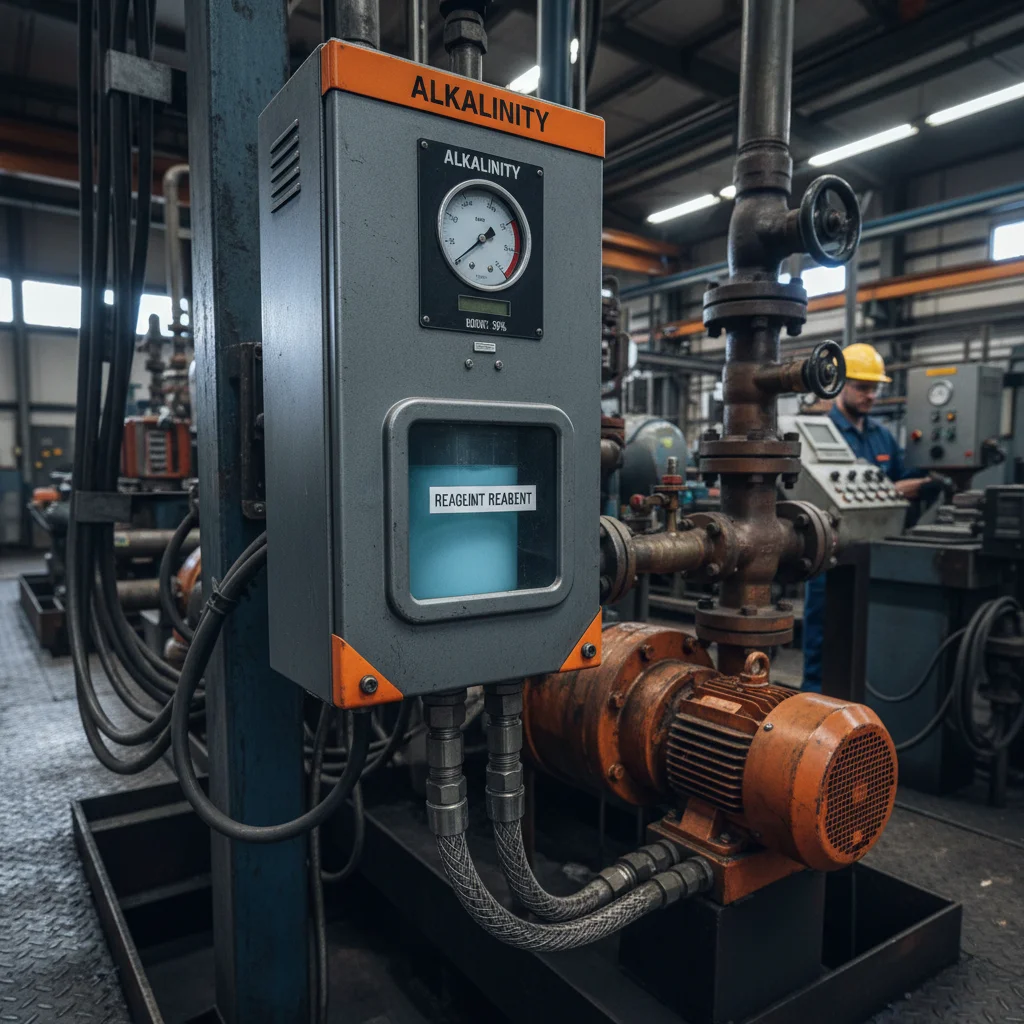
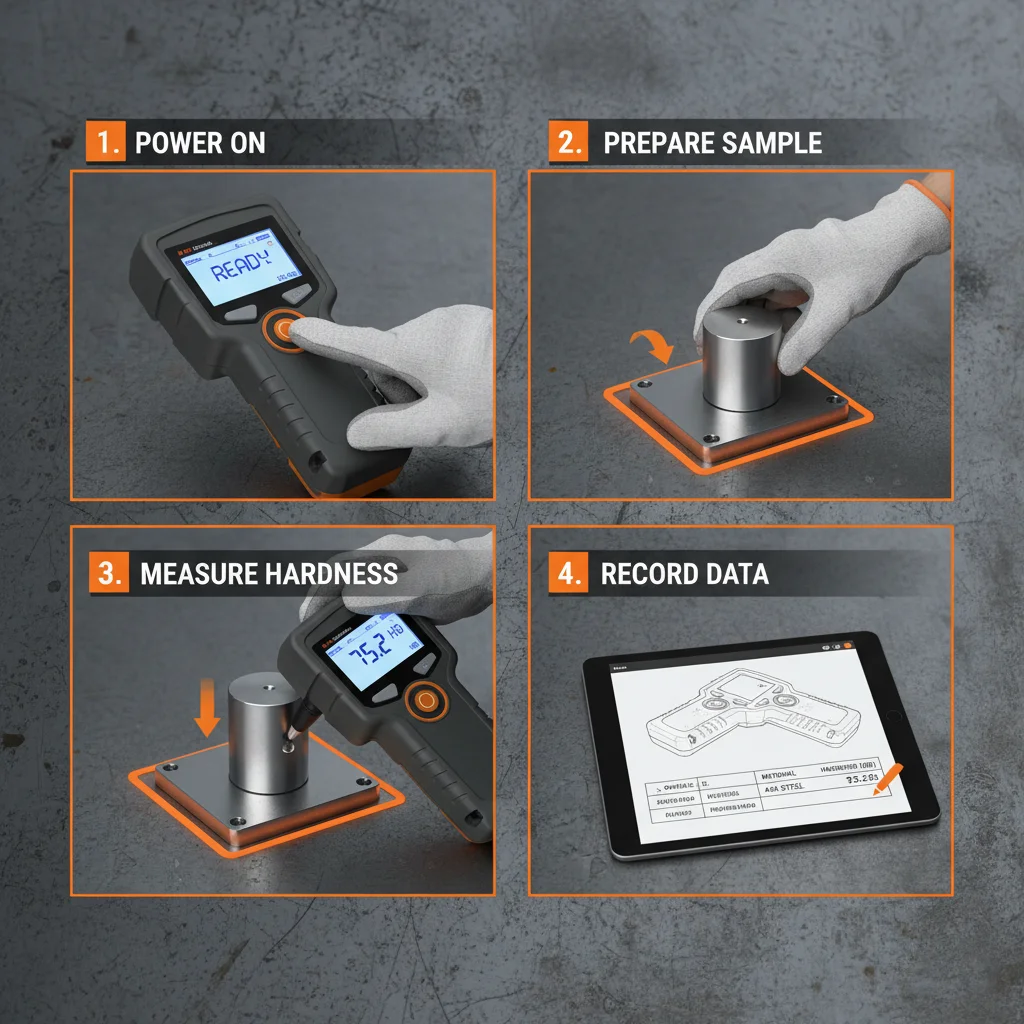
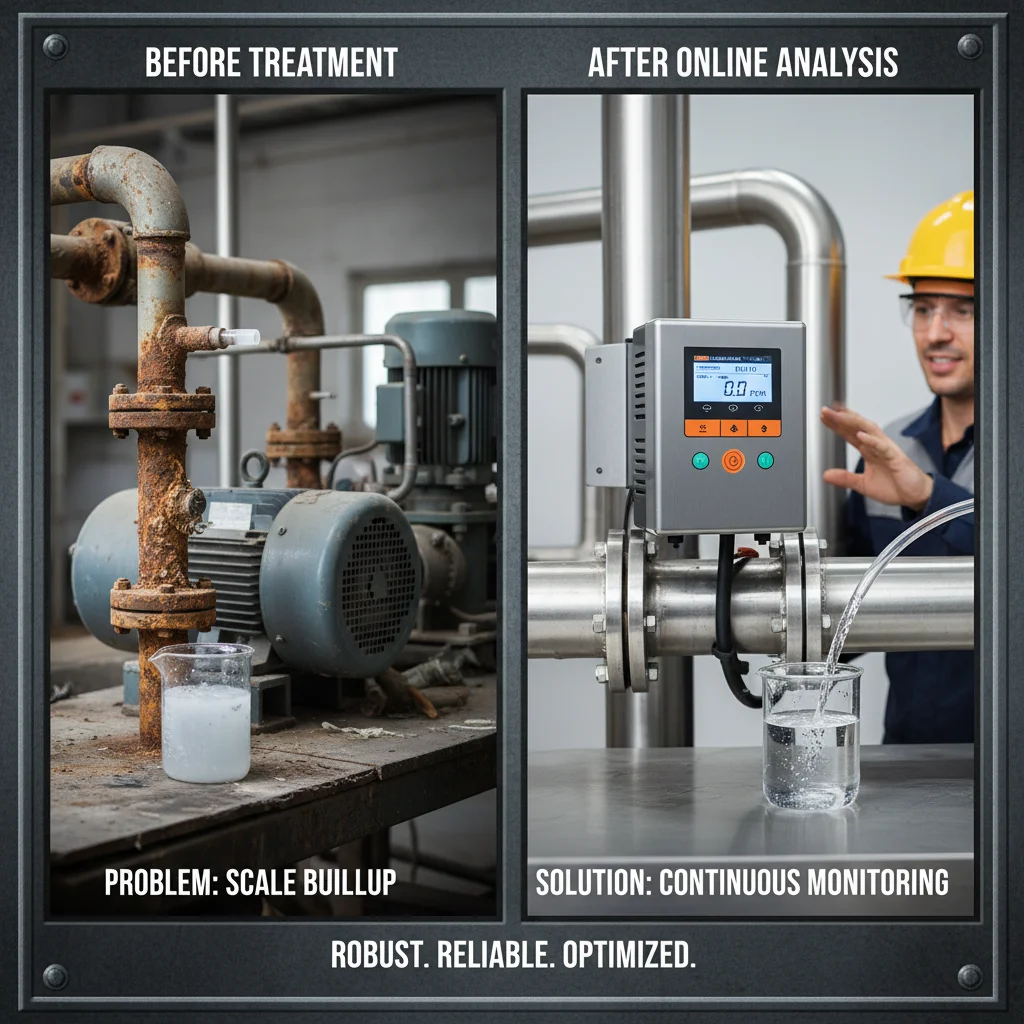
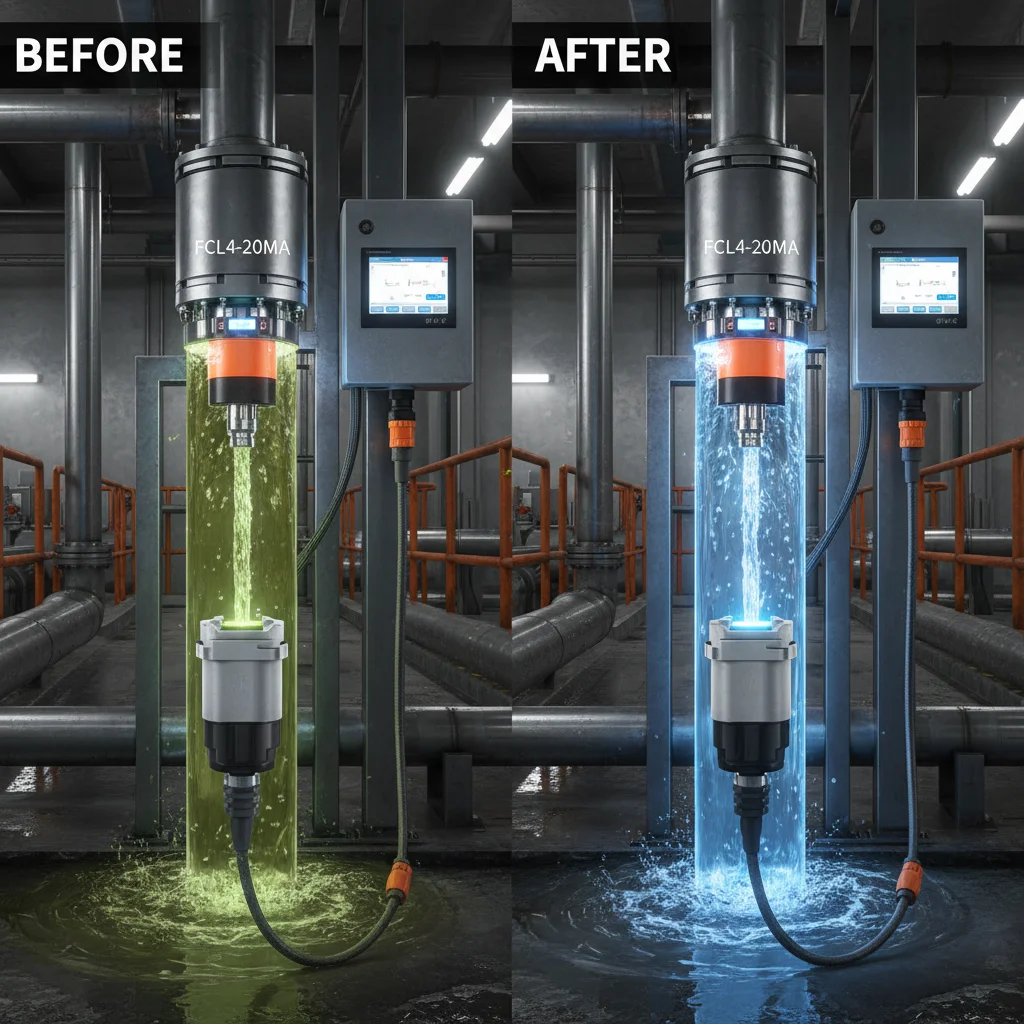
Toal alkalinity reagent plays a critical role in a vast array of applications, from ensuring safe drinking water and optimizing industrial processes to safeguarding aquatic ecosystems. Its precise measurement is fundamental to understanding and controlling chemical balances, directly impacting public health, environmental sustainability, and economic efficiency. Accurate assessment using a reliable Toal alkalinity reagent is therefore paramount.
Globally, the demand for effective water quality monitoring is constantly rising, driven by population growth, industrial expansion, and increasing environmental awareness. Regulations worldwide, such as those set by the EPA and WHO, mandate regular testing of alkalinity levels. The importance of readily available and accurate Toal alkalinity reagent is growing, particularly in developing nations striving to meet these standards and provide clean water access to their citizens.
The benefits of utilizing quality Toal alkalinity reagent extend beyond regulatory compliance. Proactive monitoring allows for optimized chemical treatments, reducing operational costs and minimizing environmental impact. Furthermore, understanding alkalinity levels is essential for predicting and preventing corrosion in pipelines and equipment, ensuring long-term infrastructure integrity and safety.
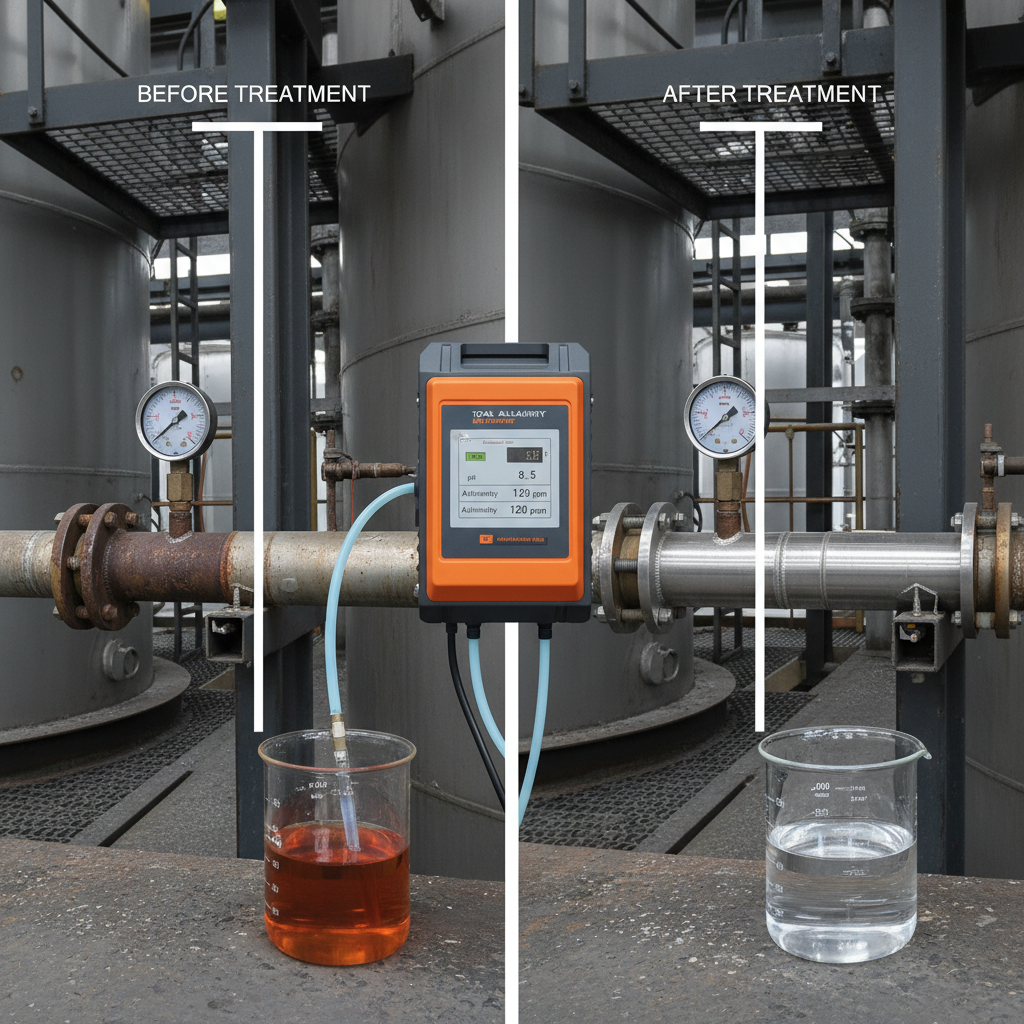
The Importance of Toal alkalinity reagent
Toal alkalinity reagent is a cornerstone of water chemistry, crucial for understanding the capacity of water to neutralize acids. This characteristic is directly linked to the presence of bicarbonate, carbonate, and hydroxide ions, which contribute significantly to the pH stability of aquatic systems. Regular monitoring with a reliable reagent is vital for maintaining healthy water supplies.
The accurate determination of alkalinity impacts a diverse range of industries, including wastewater treatment, power generation, and the food and beverage sector. Using a high-quality Toal alkalinity reagent ensures consistent and reliable results, enabling informed decision-making and efficient process control.
Defining Toal alkalinity reagent
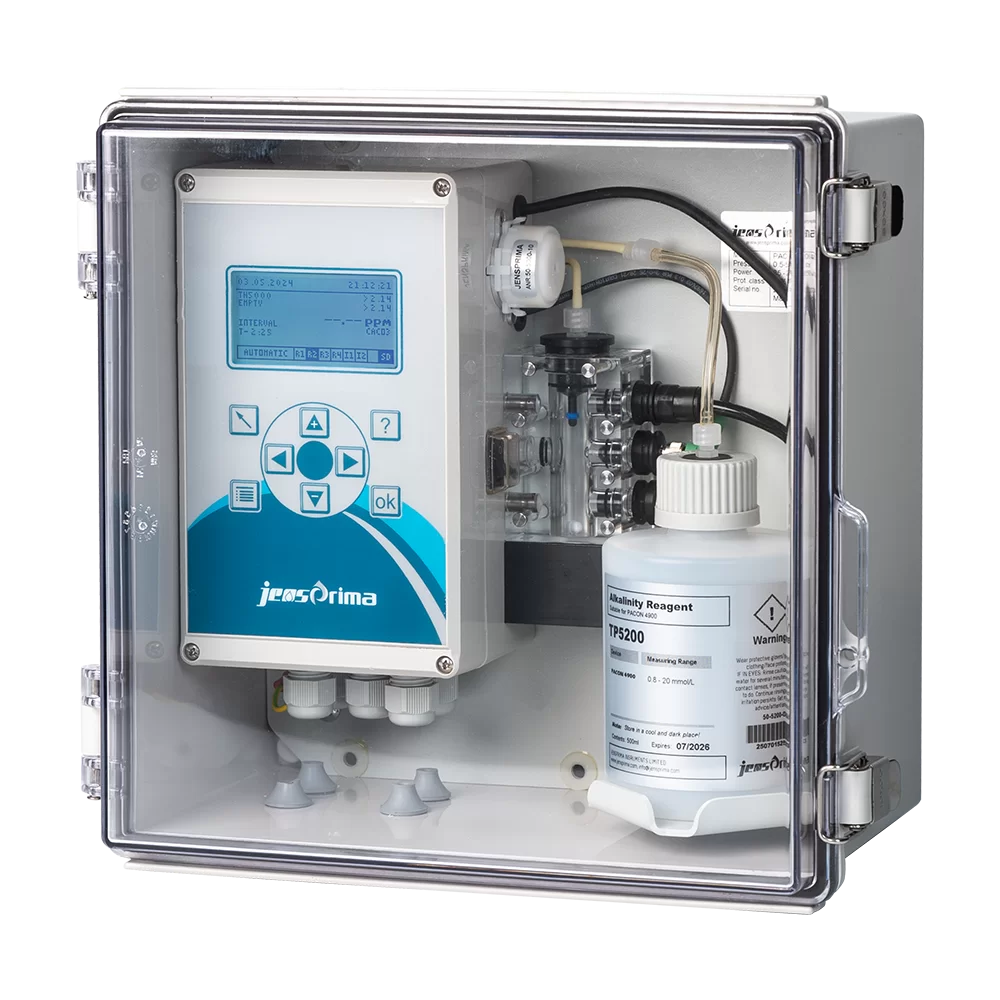
Toal alkalinity reagent is a chemical solution specifically formulated for the quantitative determination of alkalinity in water samples. It's typically a standardized acid solution, often sulfuric or hydrochloric acid, used in titration to neutralize the alkaline components present in the water. The endpoint of the titration indicates the total alkalinity concentration.
This measurement is far more than a simple laboratory exercise; it’s a vital indicator of water quality. High alkalinity can cause scaling in pipes and boilers, while low alkalinity can lead to corrosion. In natural water bodies, alkalinity influences the suitability for aquatic life and the effectiveness of various treatment processes.
The connection to modern needs is clear. As global water scarcity increases and environmental regulations tighten, the demand for precise and reliable Toal alkalinity reagent continues to grow, driving innovation in reagent formulation and testing methodologies.
Core Components of Effective Toal alkalinity reagent
Several factors contribute to the effectiveness of a Toal alkalinity reagent. Firstly, Accuracy and Standardization are paramount. The reagent must be precisely standardized against a primary standard to ensure reliable results. Secondly, Purity is vital; impurities can interfere with the titration process and lead to inaccurate readings.
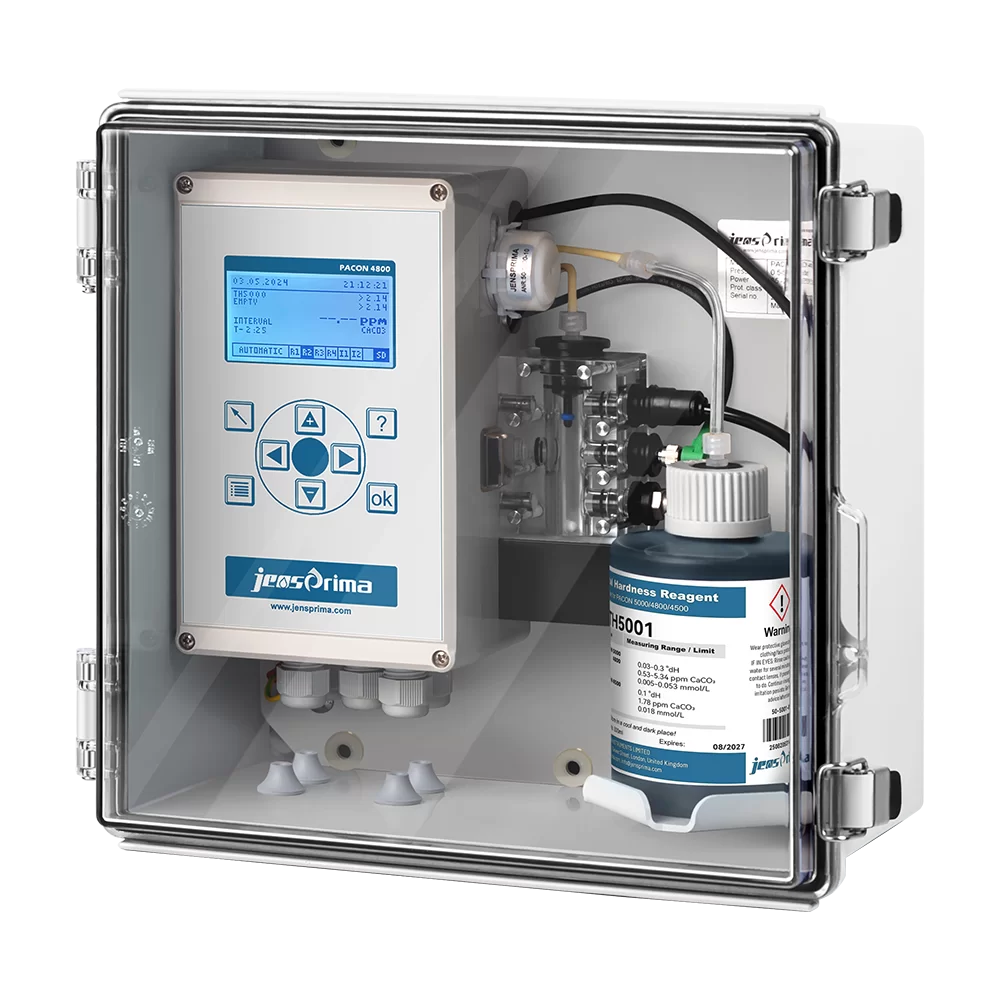
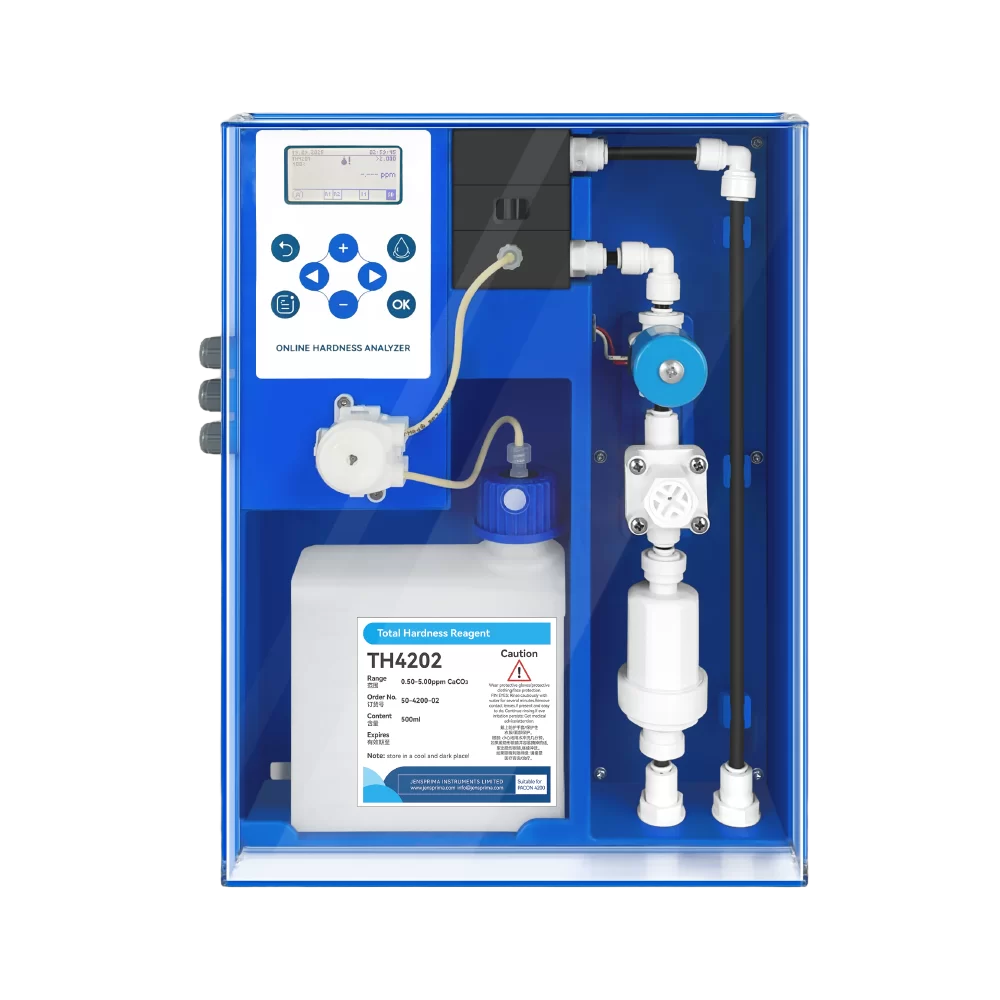
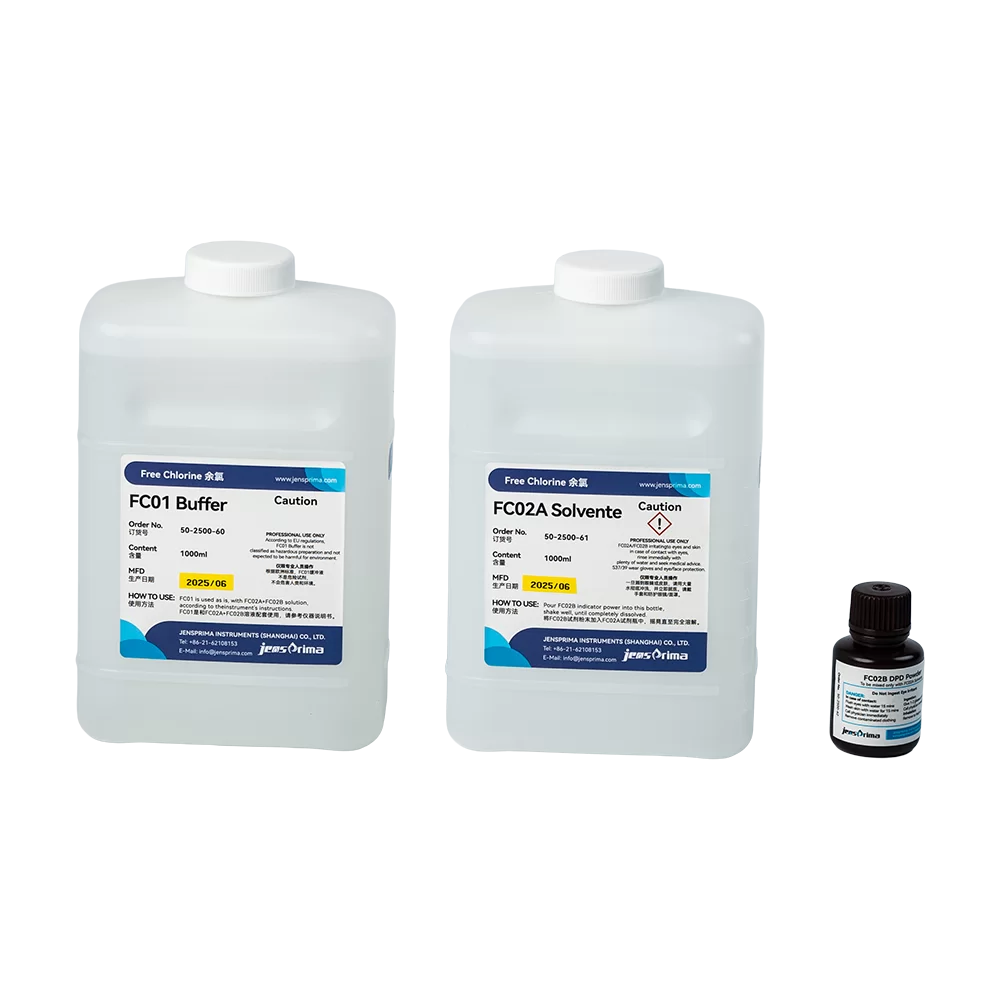
Stability is another critical aspect. The reagent should maintain its concentration over time, especially during storage. Finally, Ease of Use is important; a well-formulated reagent should be easy to handle and titrate, minimizing the risk of errors. Selecting a reagent with these qualities from a reputable supplier like Jensprima is essential.
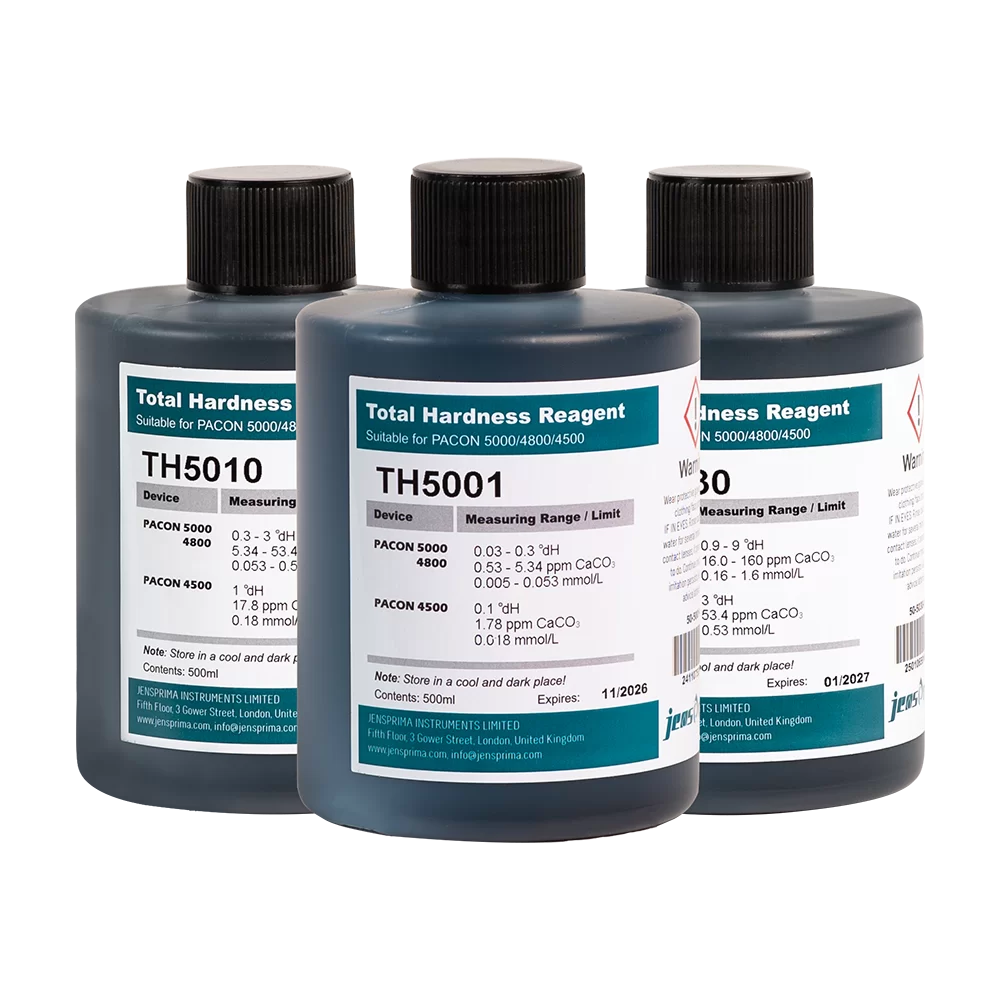
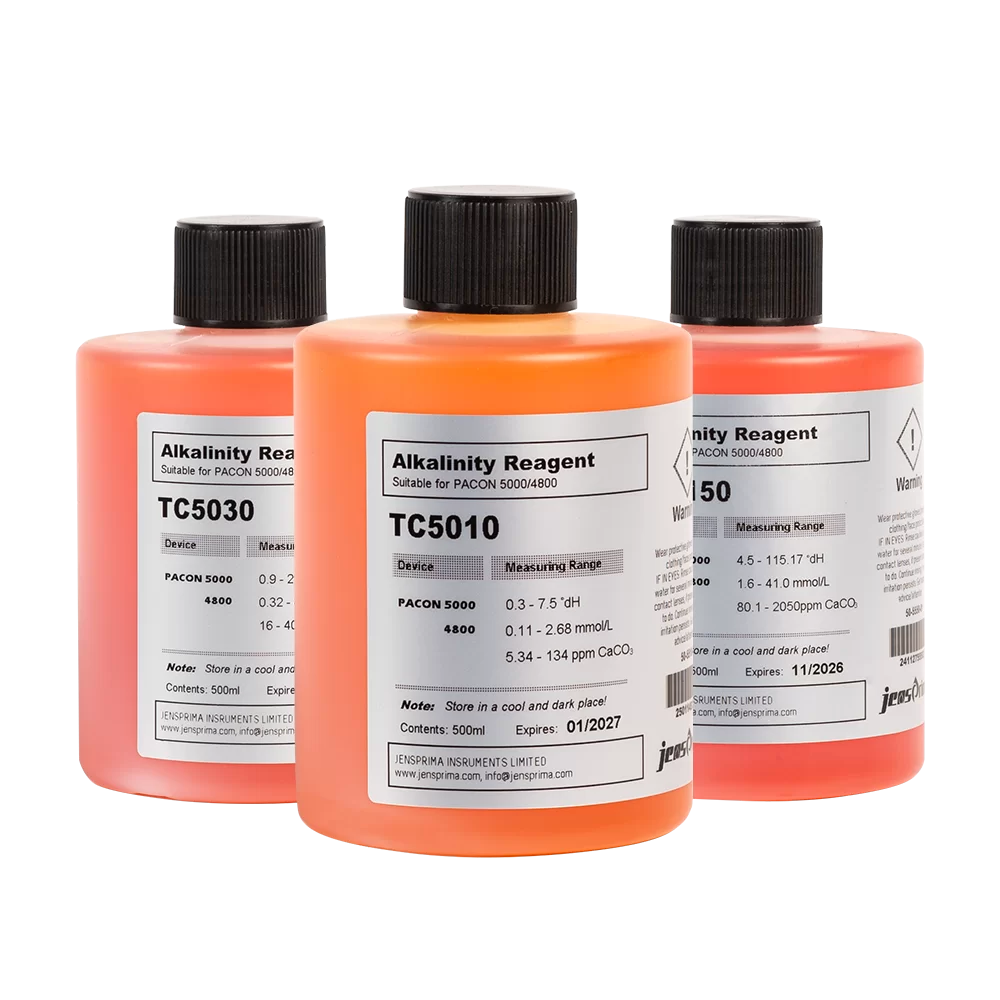
Consider also the packaging and shelf life of the reagent. Proper packaging protects the reagent from contamination and degradation. A clear expiration date ensures that the reagent is used within its effective period, guaranteeing accurate results. These seemingly small details contribute significantly to the overall reliability of the alkalinity measurement.
Practical Applications of Toal alkalinity reagent
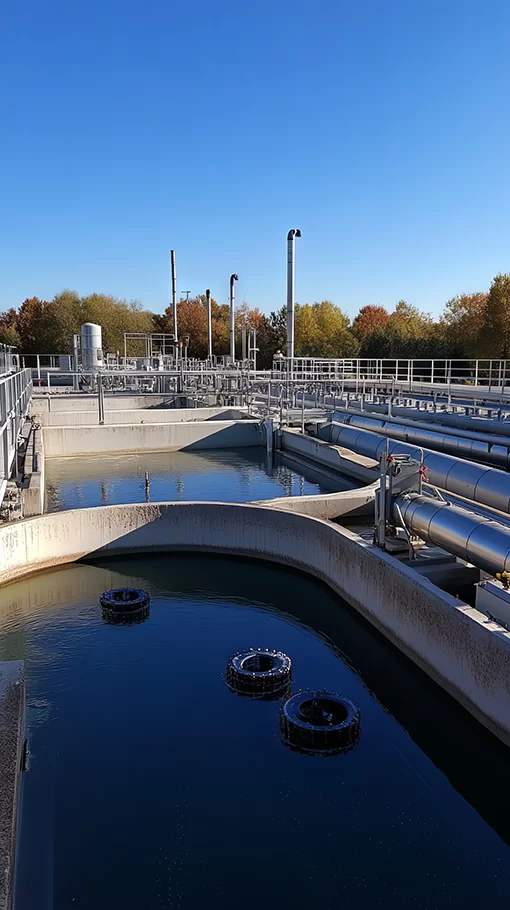
The most prevalent application of Toal alkalinity reagent is in water and wastewater treatment plants. Accurate alkalinity measurement is critical for optimizing coagulation and flocculation processes, ensuring efficient removal of pollutants. It also helps in controlling pH levels during disinfection, maximizing the effectiveness of chlorine or other disinfectants.
Beyond treatment facilities, Toal alkalinity reagent is essential for industrial process control, especially in industries that rely heavily on water, such as power generation and manufacturing. Monitoring alkalinity helps prevent corrosion in boilers and cooling towers, extending the lifespan of expensive equipment and reducing maintenance costs.
Alkalinity Measurement Methods Comparison
Global Applications and Use Cases
In post-disaster relief operations, rapid assessment of water sources is crucial for providing safe drinking water. Portable Toal alkalinity reagent kits, like those offered by Jensprima, allow aid workers to quickly determine water quality and implement appropriate treatment measures.
In remote industrial zones, where laboratory infrastructure may be limited, field-deployable Toal alkalinity reagent solutions are indispensable. These solutions enable on-site monitoring of process water, ensuring compliance with environmental regulations and preventing operational disruptions. They find applications in mining, oil and gas, and agricultural sectors.
Advantages and Long-Term Value
Utilizing high-quality Toal alkalinity reagent offers substantial cost savings by optimizing chemical usage and preventing equipment damage. Furthermore, accurate alkalinity control leads to improved process efficiency, reducing energy consumption and minimizing waste generation. These factors contribute to a more sustainable and environmentally responsible operation.
The long-term value extends beyond economic benefits. Maintaining optimal water quality fosters public health and protects ecosystems. Investing in reliable Toal alkalinity reagent builds trust with stakeholders and demonstrates a commitment to environmental stewardship.
Future Trends and Innovations
The future of Toal alkalinity reagent lies in the development of more sensitive, rapid, and automated testing methods. Miniaturized sensors and digital titration systems are emerging, offering real-time monitoring and remote data transmission. These innovations will enable proactive water quality management and improved process control.
The integration of artificial intelligence and machine learning algorithms will further enhance the analysis of alkalinity data, providing predictive insights and optimizing treatment strategies. Sustainable reagent formulations, utilizing bio-based materials and reducing hazardous waste, are also gaining traction, aligning with the growing emphasis on environmental responsibility.
These advancements, combined with a continued focus on standardization and quality control, will ensure that Toal alkalinity reagent remains a critical tool for safeguarding water resources and supporting sustainable development.
Analysis of Factors Influencing Toal Alkalinity Reagent Effectiveness
| Reagent Purity |
Standardization Accuracy |
Sample Matrix Effects |
User Technique |
| High Purity |
±0.1% |
Minimal |
Experienced |
| Moderate Purity |
±0.5% |
Moderate |
Trained |
| Low Purity |
±1.0% |
Significant |
Novice |
| Consistent Batch |
Traceable Calibration |
Matrix Spiking |
Precise Titration |
| Long Shelf Life |
Regular Re-Standardization |
Proper Sample Prep |
Endpoint Detection |
| Secure Packaging |
Certified Reference Materials |
Interference Removal |
Data Recording |
FAQS
To maintain the accuracy of your Toal alkalinity reagent, it's crucial to store it in a cool, dry, and dark place, away from direct sunlight and extreme temperatures. Ensure the container is tightly sealed to prevent contamination and exposure to air. Following the manufacturer's recommended storage conditions, often found on the label, will maximize the reagent’s shelf life and reliability. Regular inspection for any signs of degradation, like cloudiness or precipitation, is also advisable.
The frequency of standardization depends on several factors, including the reagent's concentration, frequency of use, and storage conditions. A general guideline is to standardize your Toal alkalinity reagent at least once a week if used regularly, and after each new bottle is opened. If the reagent is used infrequently, standardization should be performed before each use to ensure accurate results. Using a primary standard like sodium carbonate is essential for accurate standardization.
Several substances can interfere with Toal alkalinity reagent measurements. High concentrations of calcium, magnesium, or sulfates can affect the titration endpoint. Organic matter can also consume the reagent, leading to inaccurate results. Proper sample pretreatment, such as filtration or acidification, may be necessary to minimize these interferences. Always consult the reagent's instructions for specific guidance on potential interferences and recommended pretreatment procedures.
Toal alkalinity reagent, typically an acid, can be corrosive. Always wear appropriate personal protective equipment (PPE), including safety glasses, gloves, and a lab coat, when handling the reagent. Work in a well-ventilated area to avoid inhaling any fumes. In case of contact with skin or eyes, immediately flush with copious amounts of water and seek medical attention. Refer to the Safety Data Sheet (SDS) for detailed safety information.
Titration using a standardized Toal alkalinity reagent is generally considered one of the most accurate methods for alkalinity determination, when performed correctly. While digital meters offer convenience, they require regular calibration and can be prone to drift. Colorimetric test kits are less precise and more subjective. Automated titrators offer high accuracy and repeatability but come with a higher initial cost. The choice of method depends on the required accuracy and available resources.
For reliable and accurate results, it’s essential to purchase Toal alkalinity reagent from a reputable supplier. Jensprima provides a wide range of high-quality reagents, standardized solutions, and calibration standards, ensuring the precision and dependability of your water quality analysis. We offer detailed product specifications and comprehensive support to meet your specific needs.
Conclusion
In conclusion, Toal alkalinity reagent is a foundational element in water quality monitoring and process control. Its accurate and reliable measurement is vital for protecting public health, safeguarding ecosystems, and optimizing industrial operations. From simple field testing to complex laboratory analysis, the availability of high-quality reagent solutions like those offered by Jensprima is critical.
Looking ahead, continued innovation in reagent technology and testing methodologies will further enhance our ability to manage water resources sustainably. Embracing these advancements and investing in reliable reagents is not merely a matter of compliance, but a proactive step towards a healthier and more secure future.


 Download
 Video Center
 Technical Services
 FAQS
FAQS Service Network
 Privacy Policy
 Contact Us